
The Tech for Humanity Lab blog is comprised of research and general interests posts from lab students and faculty.
-

LoopKit: An introduction into personalization and cyber safety in open-source software
Type 1 diabetes is an autoimmune disease that prevents the pancreas from making insulin. A common medical device used to deliver insulin is an insulin pump. Insulin pumps allow users to personalize their device and its data uploading. The most personalized version of these devices can be modified by an open-source software resource named…
-
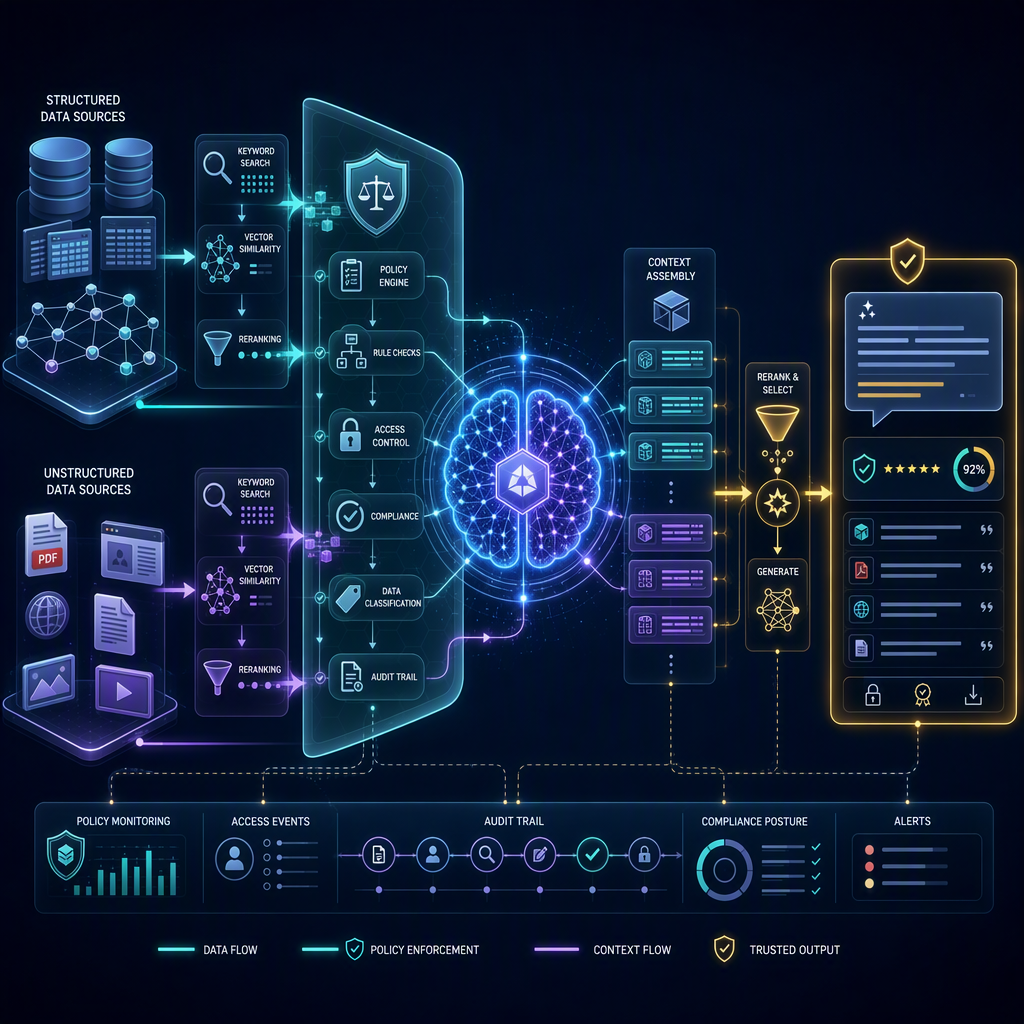
Policy-Aware Hybrid Retrieval-Augmented Generation (HRAG-PA): A Knowledge-Aware AI Framework for Cybersecurity Governance
Cybersecurity governance depends on understanding and applying complex regulatory frameworks including ISO/IEC 27001, NIST CSF 2.0, GDPR, and HIPAA and many others. Often these frameworks are sector specific, difficult to read, and complicated to apply. To simplify the implementation and comprehension of these models within firms this post proposes to leverage Large Language Models…
-

AI, Cybersecurity, and the Future of Military Drone Software
As the internet of things (IoT) continues to grow and rapid advancement of artificial intelligence (AI) transforms both civilian and military environments, systems become increasingly digitized, interconnected, and data driven. Artificial intelligence (AI) revolutionizes modern military operations by driving the evolution of software-defined defense on unmanned aerial systems (UAS). Military drones become more dependent on AI-powered accelerators, communication networks, and onboard computing.…
-

Cybercrime Reporting Among Women: A Case Study of Pakistan
Cyber-based violence against women, including cyber-stalking, non-consensual image sharing, and blackmailing, is increasingly prevalent in Pakistan.
-

Reflections on The Atlantic Council’s Cyber912 Strategy Challenge
By Ethan Dettman and Halima Binte Islam Special thanks to the Hume Center for National Security and Technology for providing financial support to our team. Introduction During the first weekend of March, we had the opportunity to travel to Washington, D.C. to compete in the Cyber912 Strategy Challenge. Hosted by the Atlantic Council, the event saw 40 teams from 36 schools…
-

To What Extent Do Different Countries Facilitate the Illicit Sale of Cocaine to the United States on the Dark Web?
By Nolan Russell and Emma Shanahan The trafficking of drugs through dark web markets has become very common. To access the dark web, users use the TOR browser, which encrypts the user’s traffic through three random nodes to hide any identifying information, such as names or IP addresses. This allows anyone visiting the dark…
-

Digital Evidence Chains in the Legal System
By Ishaanvi Saini Abstract Digital evidence has become a pivotal point in modern legal proceedings, influencing verdicts in criminal investigations and civil litigation. Courts are increasingly dependent on data from surveillance systems, mobile devices, and algorithmic tracking tools. Digital evidence chains are critical for establishing the authenticity and subsequently the admissibility of digital artifacts into criminal…
-
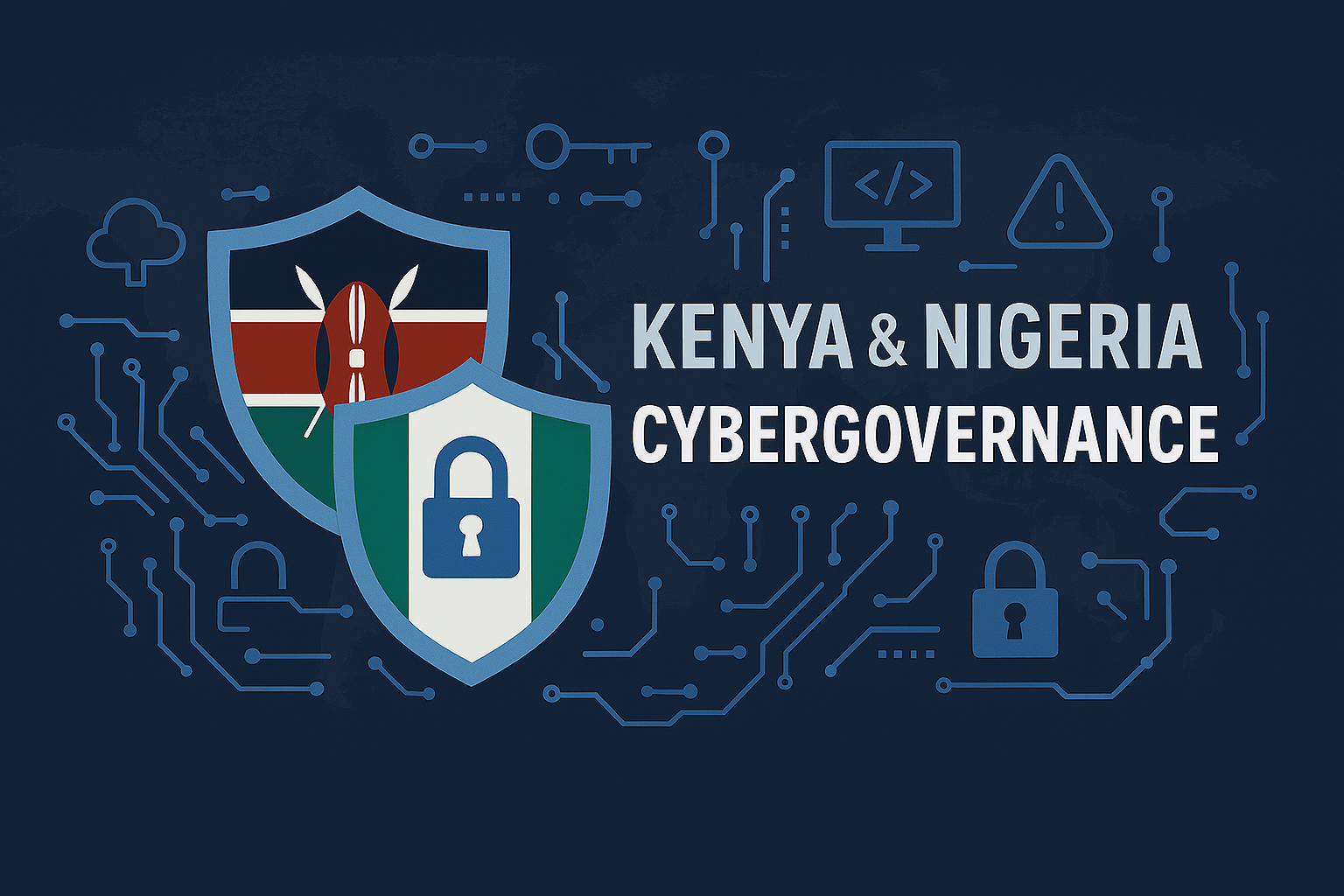
Kenya and Nigeria: A Critical Analysis of Cybergovernance
By Cristalia Laing Abstract Nigeria and Kenya are the among the first African states to develop legislative frameworks that address the rise in cyberthreats. While innovative, they have been documented to have implementation gaps that weaken state protection of free expression, privacy, and other civil liberties. This paper is a comparative analysis of Kenya and…
-

Will AI Replace Human Programmers?
By Andrew Brantly My name is Andrew Brantly, and I am 14 years old. I am a freshman at Blacksburg High School. I am currently taking AP Computer Science A. In this class, I am learning to program in Java. We started with the basics, including the “Hello World” code snippet that defines every…
-
The Practical Imperative of European Digital Sovereignty
By Aaron Brantly The election of Donald Trump to the Presidency in the United States and the subsequent policy positions espoused by his administration should constitute a wake-up call to the entirety of Europe on the importance of quickly and effectively establishing digital sovereignty. Where once the United States sought to work within an…